Комплексные стратегии и углублённая тактика игры
Освойте проверенные методы для улучшения игры и победы над соперниками.
Отслеживание карт
Определите, что осталось в игре, и скорректируйте тактику.
Выбор момента для хода
Распознавайте лучшие моменты для розыгрыша ключевых карт.
Управление рисками
Балансируйте между потенциальным выигрышем и возможными потерями.
Адаптивность темпа
Оставайтесь гибкими, регулируя ритм своей игры.
Отслеживание и подсчёт карт
Отслеживайте карты, чтобы предугадывать ходы соперника.
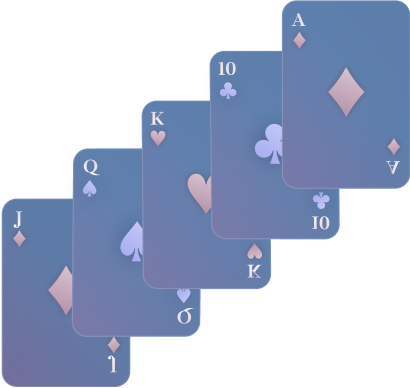
Отслеживайте ключевые карты
Подсчитывая и отслеживая карты, вы обнаруживаете закономерности и предугадываете возможные исходы, что позволяет динамично корректировать тактику. В конечном счёте, освоение отслеживания и подсчёта карт превращает сырую информацию в стратегическое преимущество, позволяя переигрывать соперников и уверенно вести игру в нужном направлении.
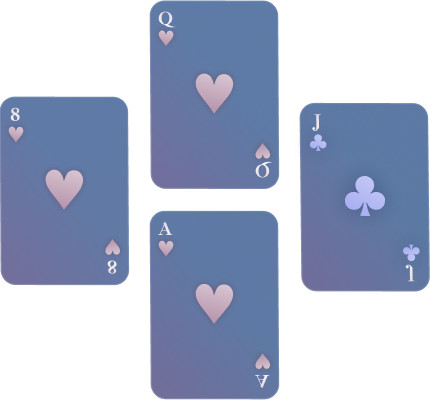
Запоминайте ходы соперников
Внимательно наблюдайте, какие масти и конкретные карты соперники разыгрывают чаще всего. Отслеживая их предпочтения, вы получаете более чёткое представление о составе их рук. Это позволяет точнее предугадывать их ходы. Знание их привычек помогает избежать непреднамеренной передачи очков или взяток, способных переломить ход игры в их пользу.
Стратегический выбор момента для хода
Истощайте их лучшие карты на ранних стадиях.
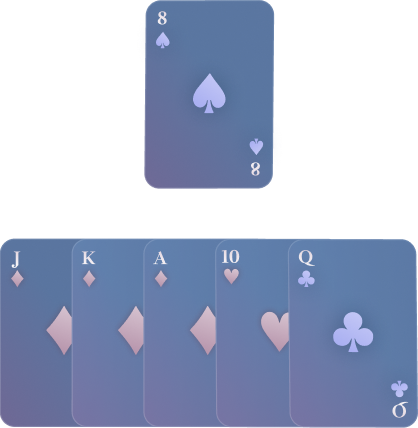
Держите сильные карты про запас
Если у вас есть сильная карта или козырь, не спешите играть её слишком рано. Держите эти важные карты в запасе до нужного момента — когда вы уверены, что их розыгрыш обеспечит критическую взятку или переломит ход игры в вашу пользу. Сохраняя лучшие карты, вы избегаете преждевременной потери преимущества.
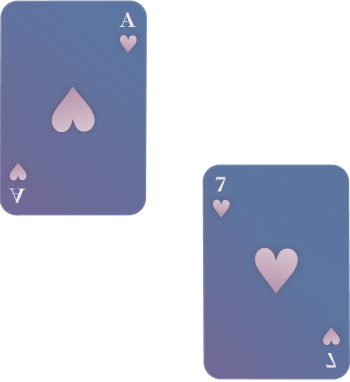
Создавайте выгодные ситуации
Стремитесь управлять ходом игры, вынуждая соперников раскрывать или тратить свои сильнейшие карты на ранних этапах. Например, намеренно сыграйте карту меньшей ценности в определённой масти, зная, что соперники почувствуют давление и используют свои топ-карты для взятия взятки. Эта стратегия оставляет вам больший контроль на поздних стадиях игры.
Баланс между риском и тактической выгодой
Рассчитанные жертвы для превращения потенциальных проигрышей в преимущества.
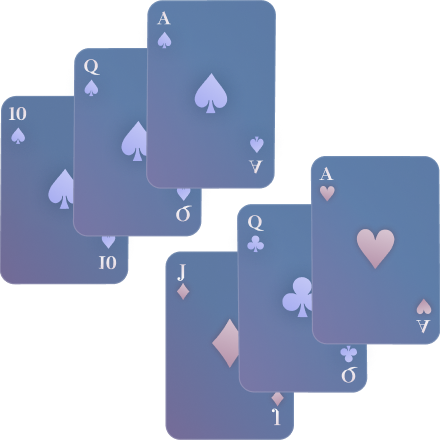
Баланс атаки и защиты
Слишком ранняя трата сильнейших карт может дать начальное преимущество, но также оставляет вас уязвимым в поздних раундах, когда у соперников меньше ресурсов для противодействия вашим оставшимся картам. Тщательно оценивая динамику каждого раунда, вы можете усиливать давление в благоприятных условиях и переходить в оборону при необходимости.
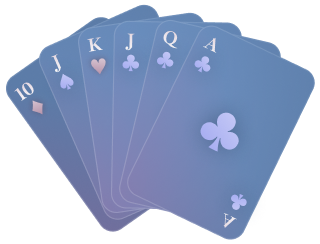
Розыгрыш концовки
Эффективное планирование концовки игры предполагает предвидение хода игры, понимание остаточного распределения карт и стратегическое управление своими ходами для сохранения конкурентного преимущества. Глядя вперёд и готовясь к решающим моментам, вы можете превращать ранние проигрыши в долгосрочные выигрыши, в конечном счёте ведя игру в нужном направлении.
Развитие стратегии в меняющемся игровом пространстве
Научитесь корректировать тактику, принимая переменчивую природу игры.
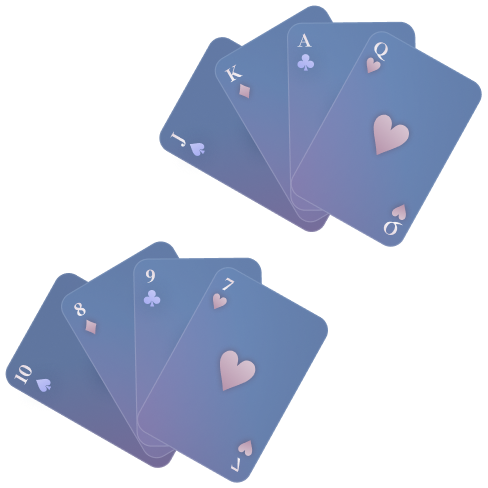
Читайте стол
Внимательно следите за нюансами игры соперников — замечайте, играет ли кто-то слишком осторожно, придерживая старшие карты, или, напротив, агрессивно бросает лучшие карты с первого хода. Эта осведомлённость позволяет точно настроить собственную стратегию, используя моменты, когда соперники чрезмерно рискуют или играют слишком пассивно.
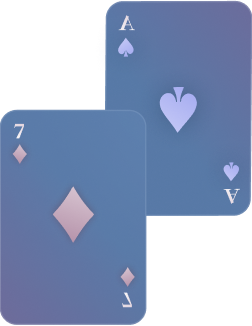
Меняйте темп
Переключившись на намеренную жертву, вы вынуждаете соперников тратить наиболее ценные карты, оставляя их с меньшим потенциалом в решающих поздних раундах. Этот тактический манёвр может стать защитным приёмом, помогающим сохранить общий контроль над игрой, даже если вы проигрываете взятку в краткосрочной перспективе.